
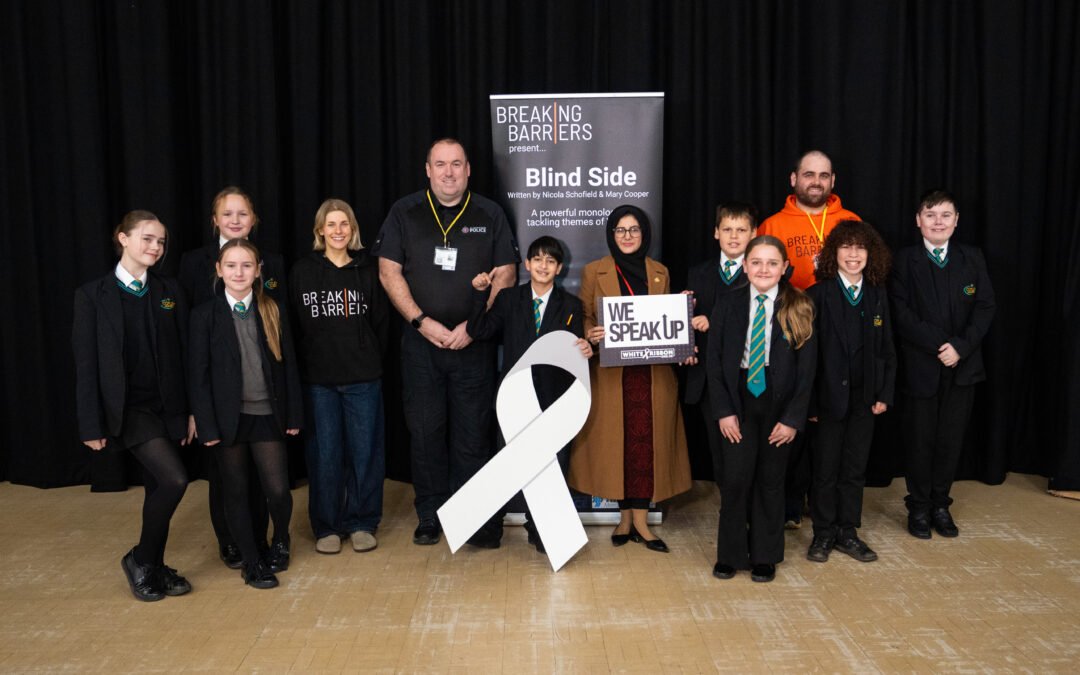
This past Tuesday 25th November marked White Ribbon Day, an initiative that launches 16 days of activism around the world, culminating on Human Rights Day on Wednesday 10th December. White Ribbon Day calls on men and boys to stand as allies in combatting Violence Against Women and Girls (VAWG). The statistics when looking at VAWG are bleak, with 90% of violence against those with a female identity being perpetrated by men, and an estimated £84 billion being contributed to supporting victims of domestic abuse.
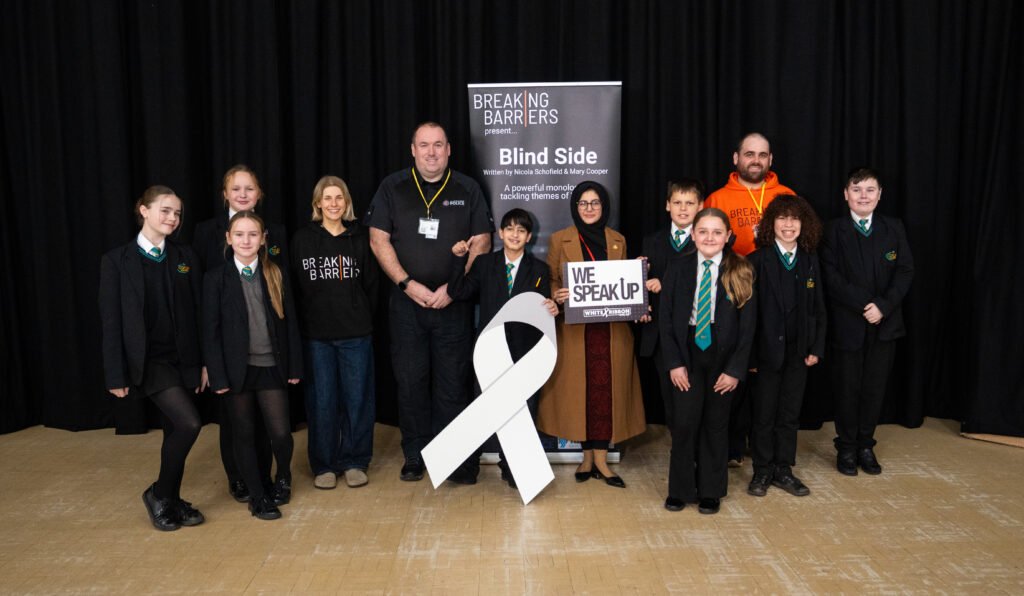
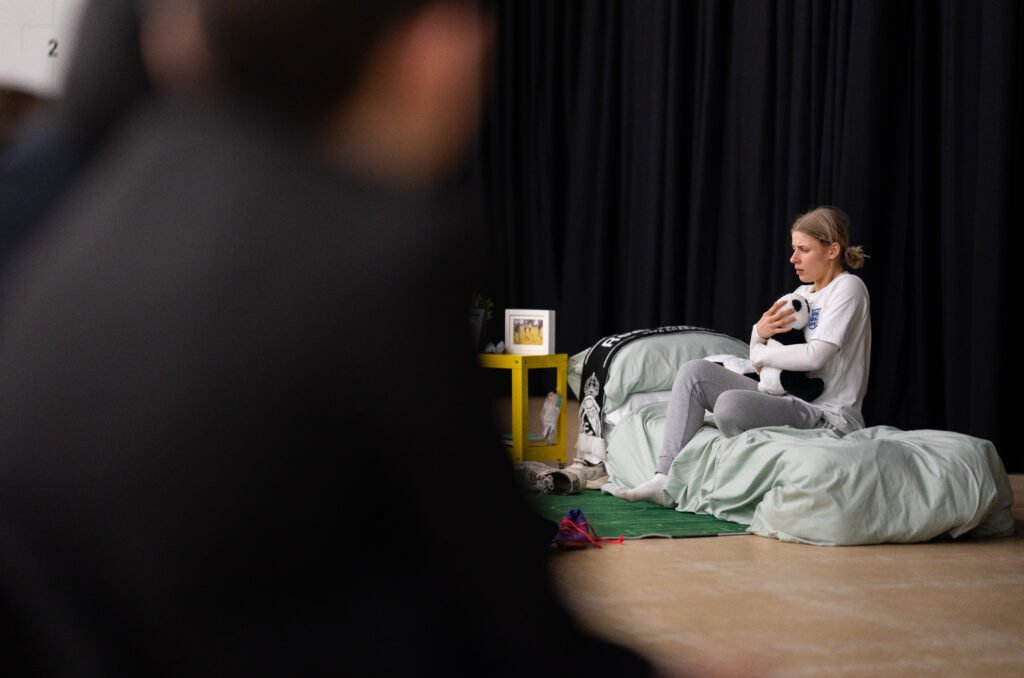
In response to this rising epidemic, and with support from Tameside Council, Breaking Barriers have developed Blind Side, a joint monologue and facilitated discussion that is currently on its fourth tour to schools across Greater Manchester, which presents the story of fourteen-year-old Summer who faces abuse from her boyfriend Harrison. This monologue, written by Nichola Schofield and Mary Cooper, is an amalgamation of interviews conducted by 1000 young people from Tameside.
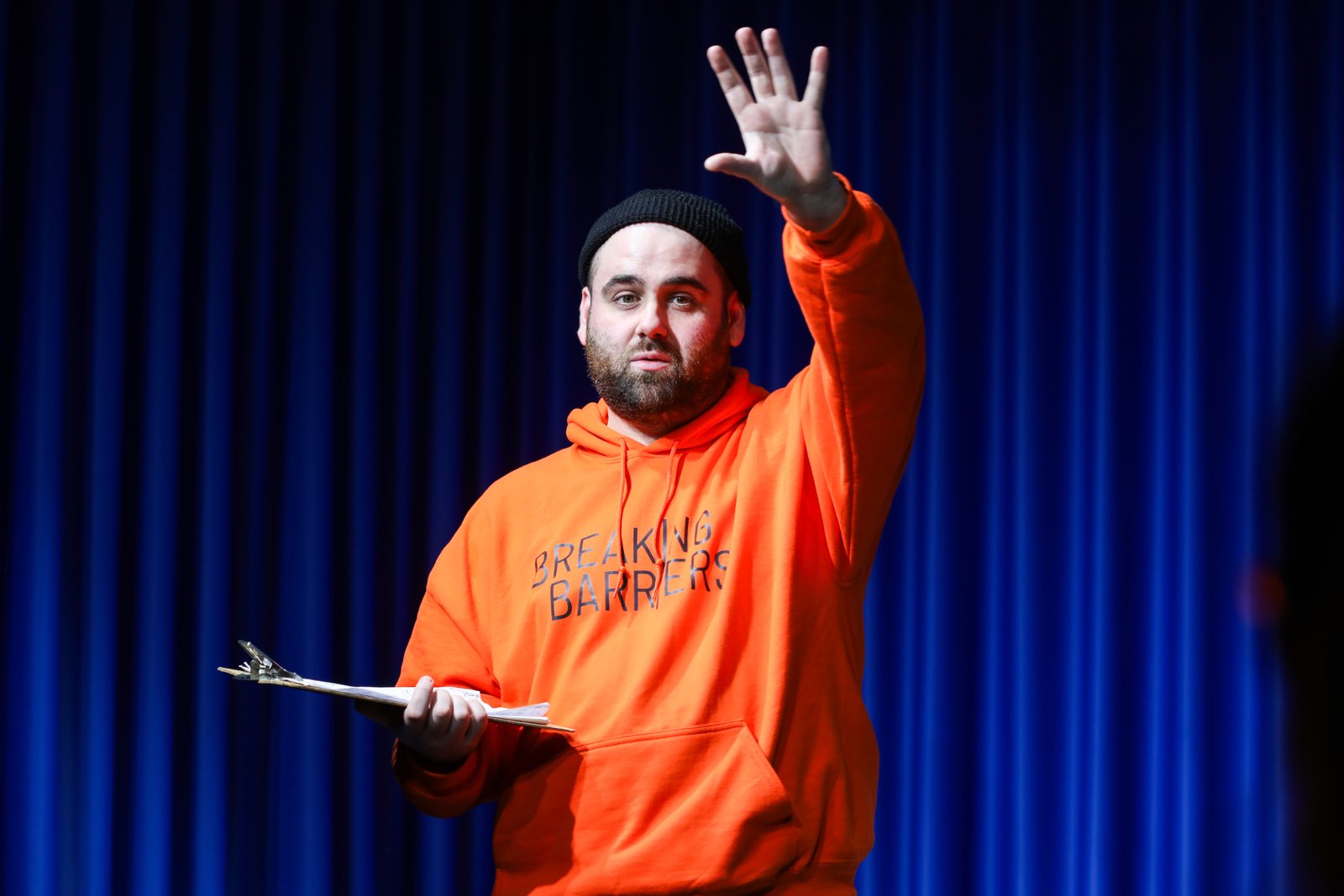
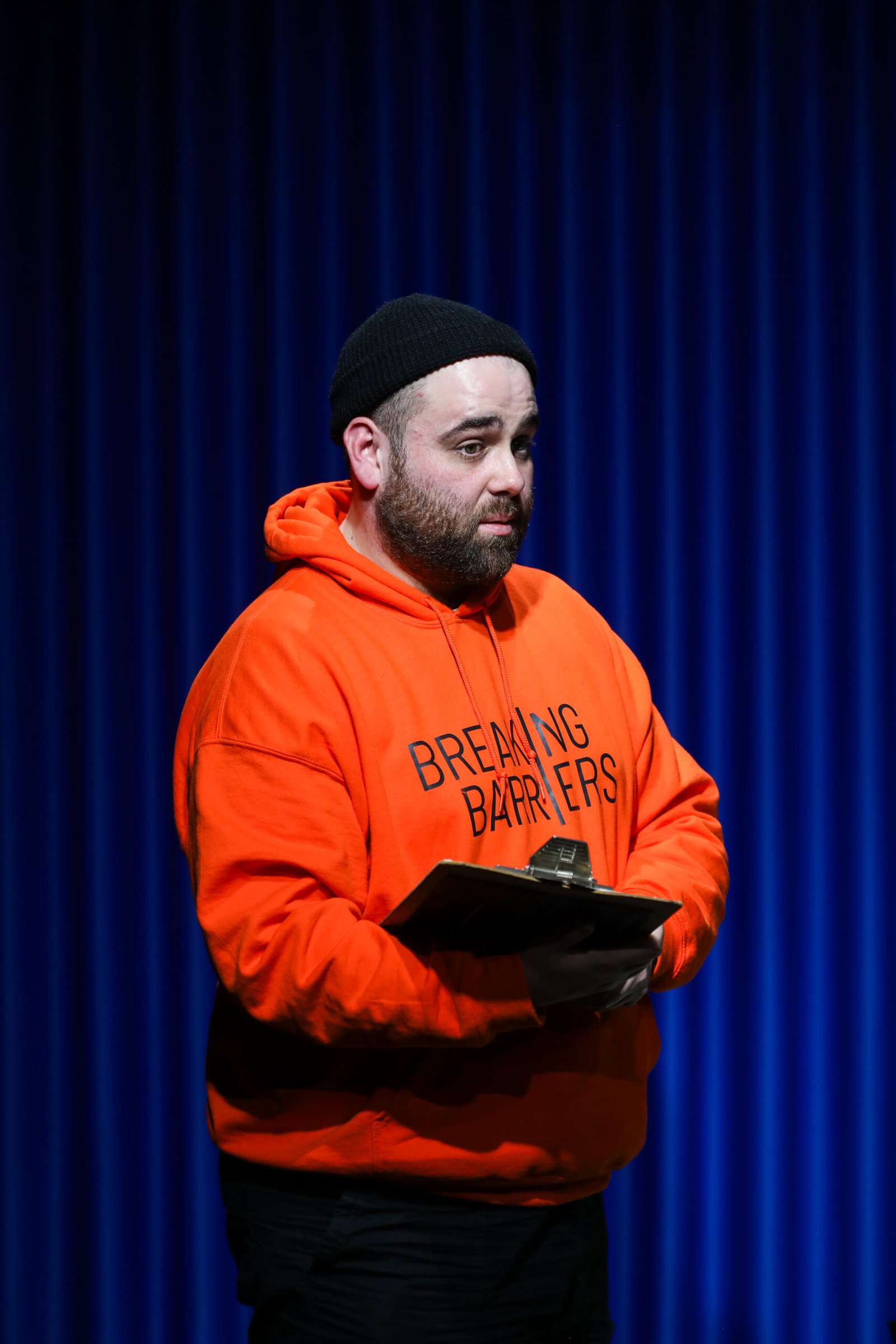
Through November 2025, I worked alongside actor Mia Gibson to present Blind Side and explore the themes of VAWG in schools across Tameside, facilitating conversations with young people that not only explore what they experienced in the monologue, but also delving into the signs of VAWG and how to proactively prevent it from taking place by trusting your instincts and supporting one another. Whilst a sobering topic, this recent tour was an enlightening experience that gave me hope in our younger generations. Not only did the young people show an inspirational willingness to learn, but every child I worked with showed empathy, compassion, and a proactive approach to building a more caring society.
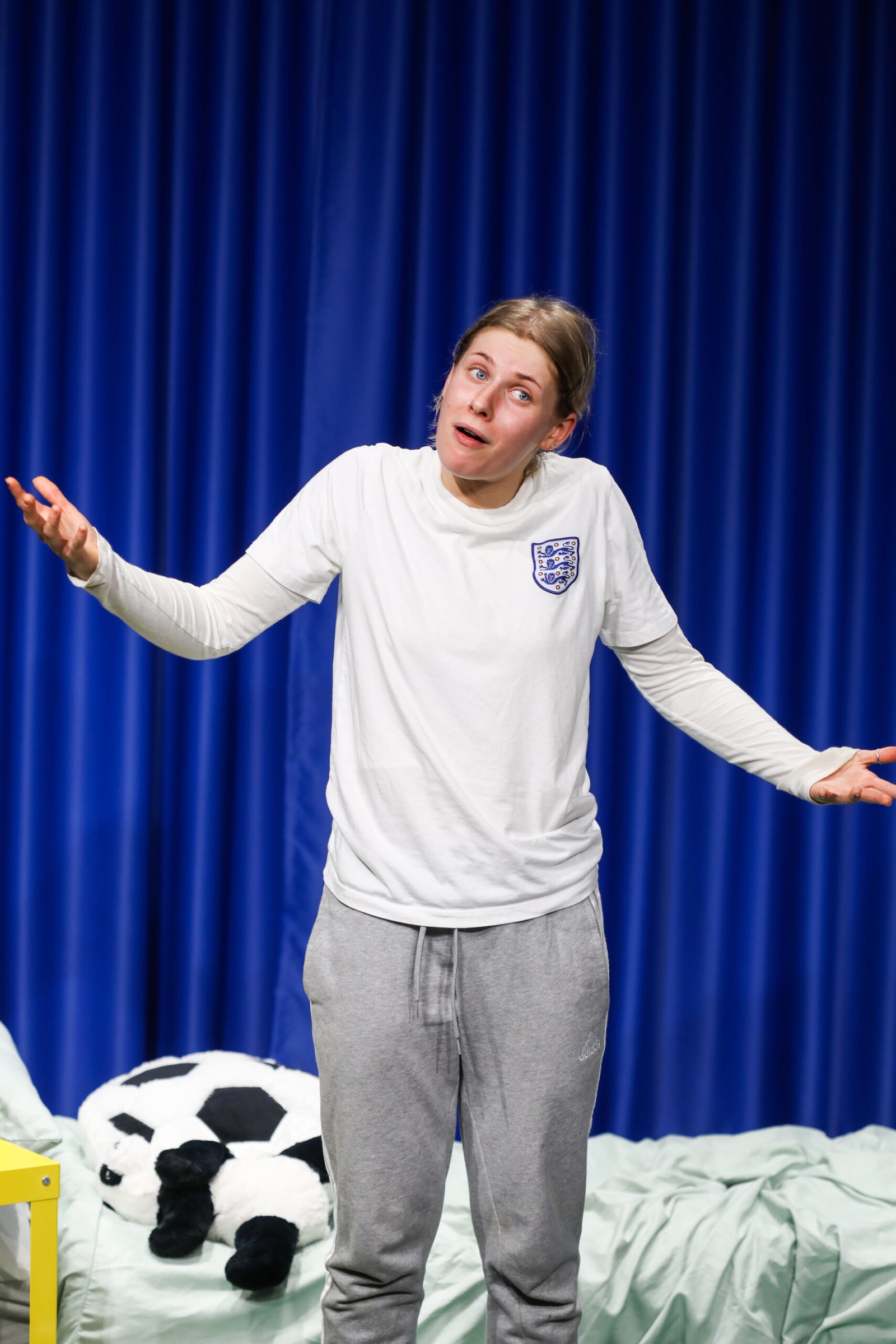
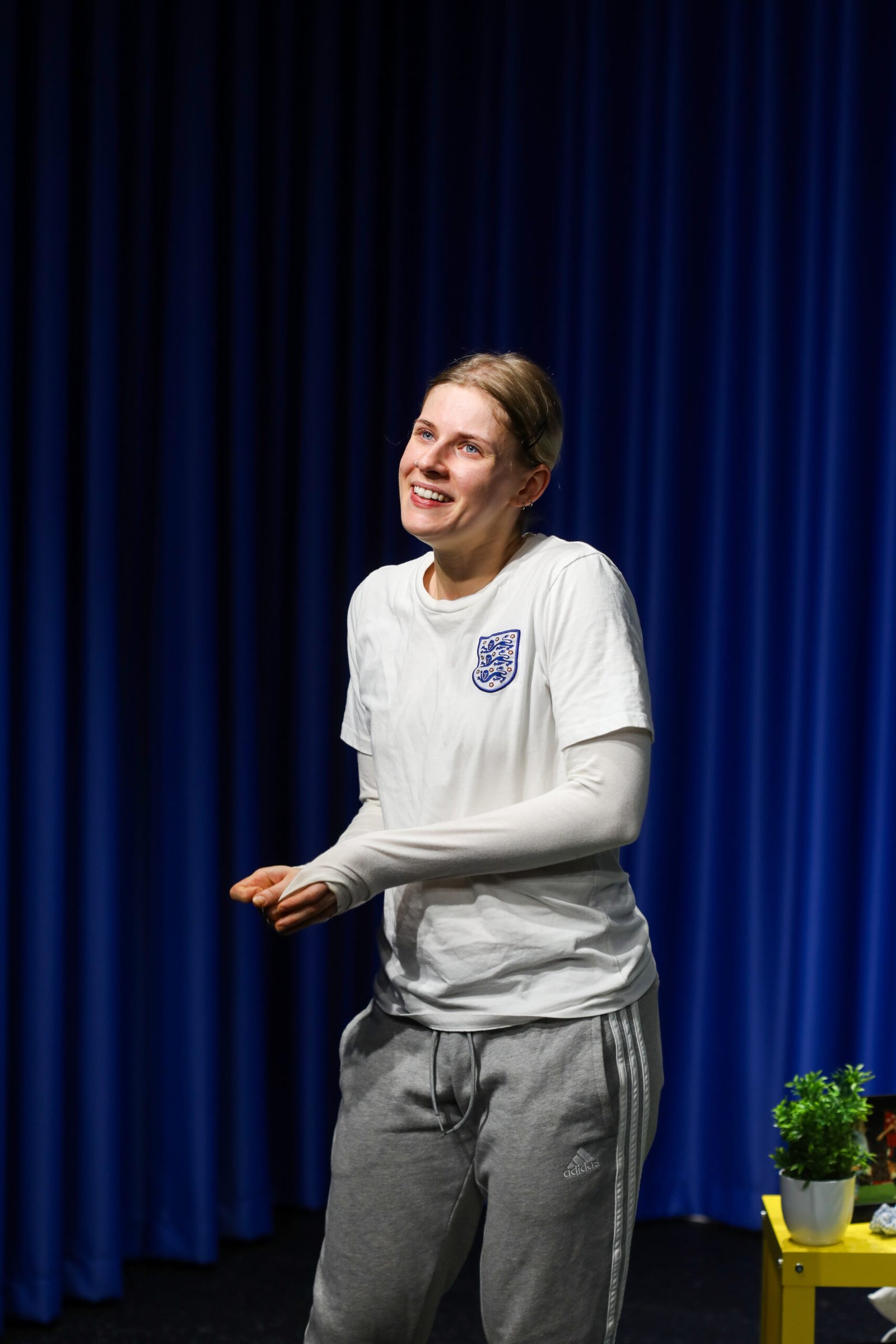
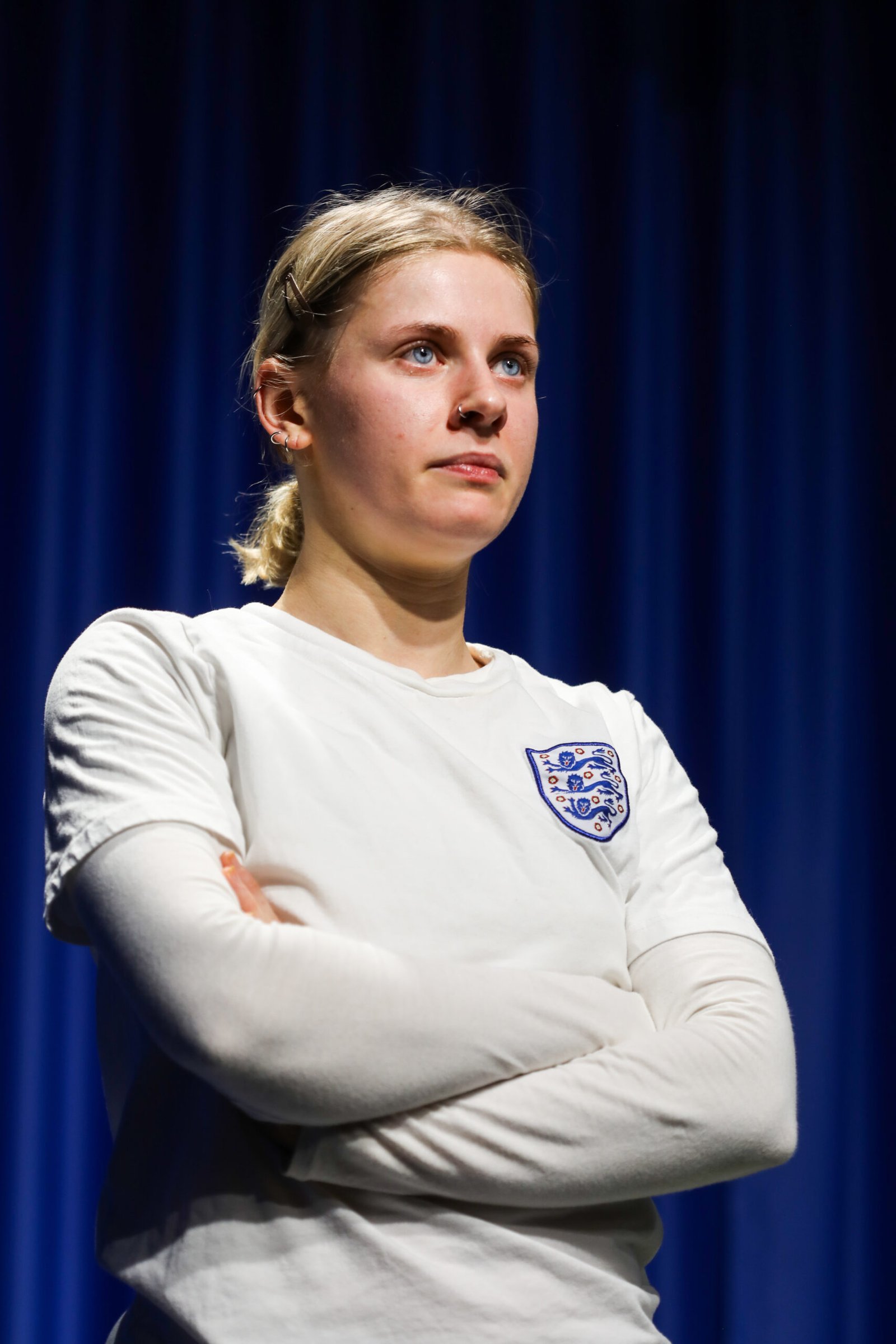
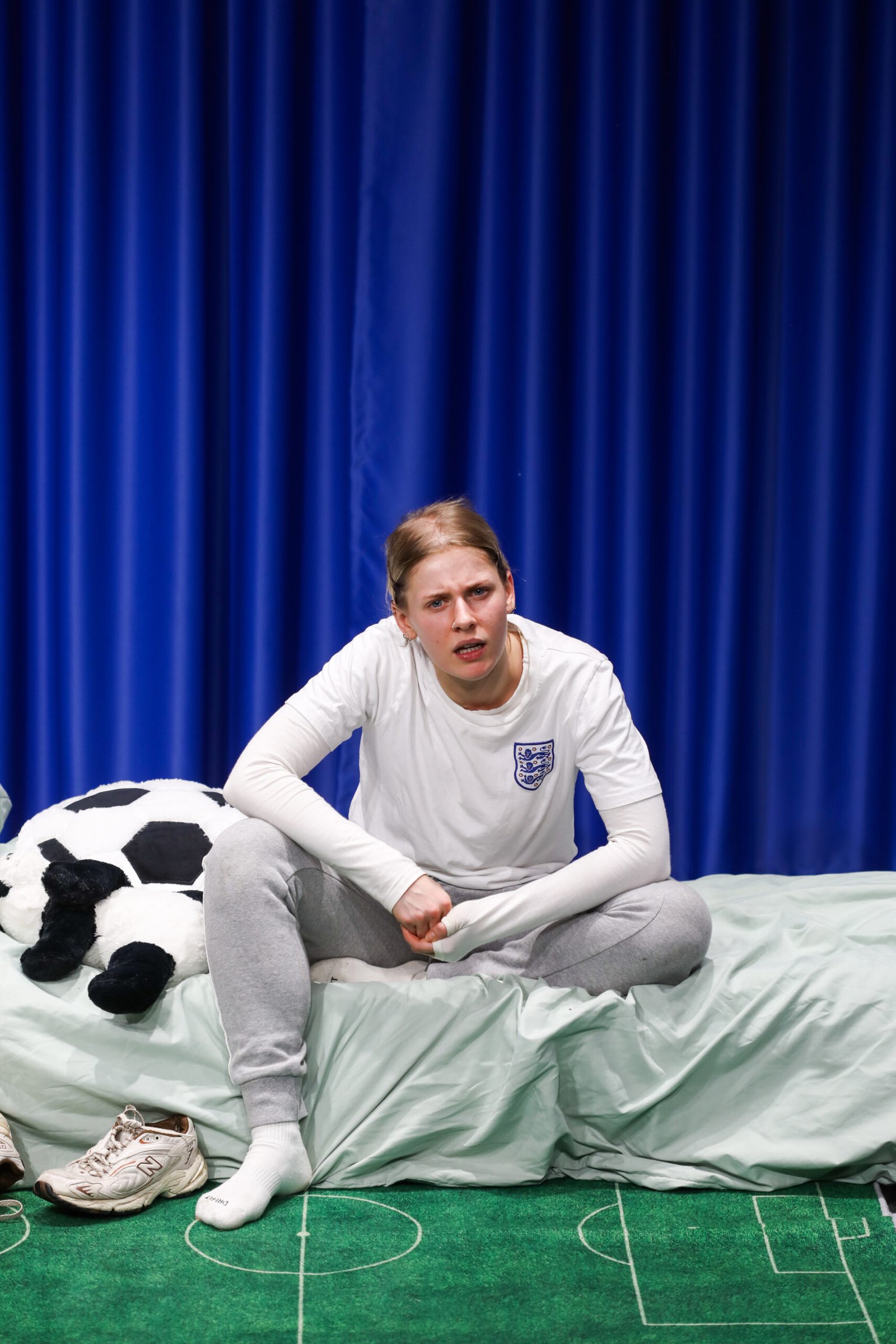
VAWG must be tackled at both its highest and lowest levels of manifestation. Whilst we might think of physical violence as the sole defining factor, sexist remarks and jokes can often have insidious effects. Within the monologue, Summer witnesses characters remarking that she should be playing on a girl’s football team, away from the boys, as well as hearing throwaway comments including ‘Boys will be boys’. This gender-based style of commenting is highlighted by the young people I have worked with, and instead of conforming to what they might have heard, there has been a resounding call to understand the effects such comments can have on young girls, often emphasising to me their desire for equality. Whilst VAWG is ever-present in our society, the young people have shown me that nurturing environments can exist without the engrained sexism, with one example being a young girl who takes part in a mixed football class herself and said that the staff and wider team make a clear effort to treat everyone the same, showing support and not being afraid to check-in on any problems that might have arisen within session. This proves these safe spaces can be created, and we must strive to widen its need across our society.
The desire for inter-relationship care was highlighted further in one primary school, when discussing healthy relationships, one 11-year-old boy brought his teacher to tears when he spoke of how you need to make the effort to understand your partner and cooperate with them, making space to listen and show respect. A large segment of the workshop is dedicated to acting as allies for those in need and speaking up for them when they most need it. It can be hard when you’re young and face peer pressure in your day-to-day lives, but often the young people have provided a wealth of answers that not only show their inherent kindness, but also their understanding to just say ‘no’ and find support. This is how we can help as adults, supporting the young people in our lives when they may not know who to turn to, especially when navigating the social fears that come with schooling life.
This year, the White Ribbon campaign is focusing on the ability to ‘UNITE!’, ending digital violence against all women and girls, and for this tour we have been stressing the importance of digital safety and consent, especially when taking and sharing photos. Almost every young person we have interacted with has had their own phone. When I was growing up, the rules around phone safety were vague, as this digital society grew around me, but during Blind Side we have seen how young people are taking ownership of their privacy, with pupils showing the greatest confidence when responding to questions about the rules and the sharing of images, especially when thinking about consent. As technology progresses, there is hope knowing that young people understand that it’s their right to privacy, often understanding how to responsibly navigate their ways online, and we always ensure to let them know that they can take their consent away at any time.
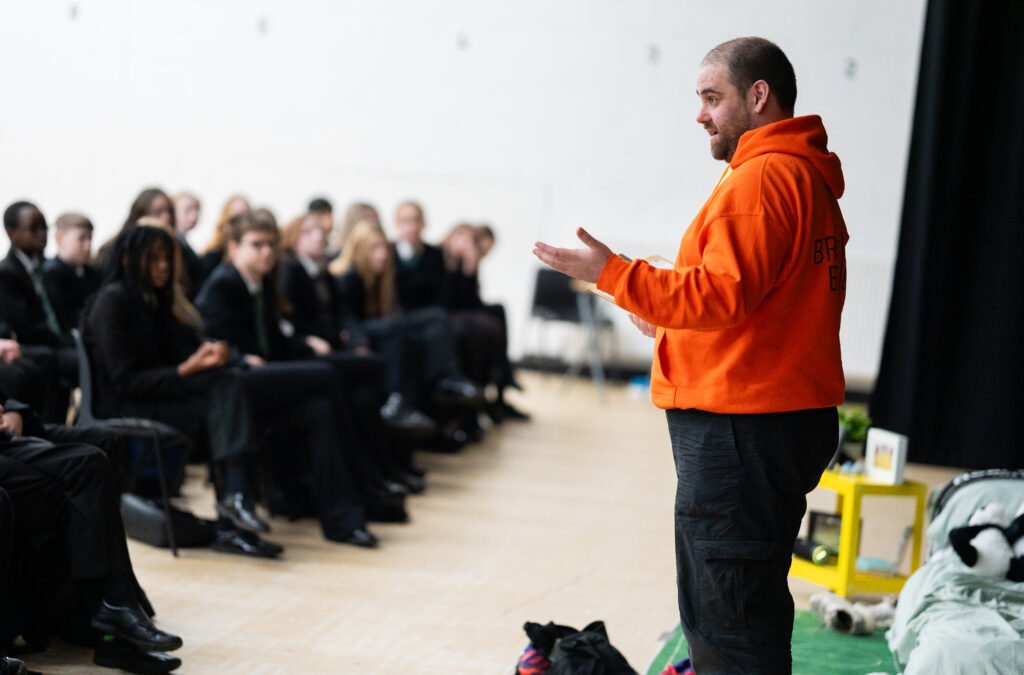
Blind Side is such an important offer for the young people who take part, and I leave every school wishing all young people could experience it. This is a desire shared by the teachers involved in each session, often remarking to me how they wish their own children could take part, and I hope it continues to tour across the country for many more years to come, so we can all do our part in tackling Violence Against Women and Girls.
Written by Ben Cain (Facilitator for Blind Side)
Pictures by Tom Doona and Ella Marshall